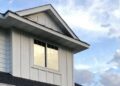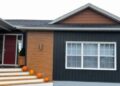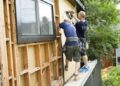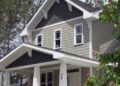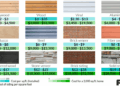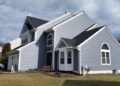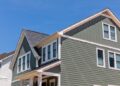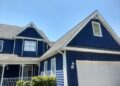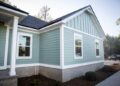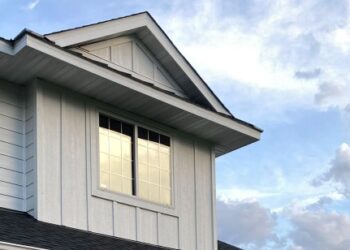

Delving into the realm of siding on roof, we uncover the various materials, installation process, benefits, and maintenance aspects that shape this crucial element of roofing. This comprehensive guide aims to shed light on the importance and functionality of siding on roofs.
Types of Siding Materials for Roofs
When it comes to choosing siding materials for roofs, there are several options available, each with its own set of pros and cons. It's important to consider factors such as durability, cost, and aesthetics before making a decision.
Asphalt Shingles
Asphalt shingles are one of the most popular siding materials used on roofs due to their affordability and ease of installation. They come in a variety of colors and styles, making them a versatile option for many homeowners. However, asphalt shingles are not as durable as some other materials and may need to be replaced more frequently.
Metal Roofing
Metal roofing is another common choice for siding on roofs. It is known for its durability and longevity, often lasting 50 years or more. Metal roofing is also fire-resistant and energy-efficient, helping to lower heating and cooling costs. On the downside, metal roofing can be more expensive upfront compared to other materials.
Wood Shingles
Wood shingles provide a natural and rustic look to a roof, adding charm and character to a home. They are also eco-friendly and biodegradable, making them a sustainable choice. However, wood shingles require regular maintenance, such as staining or painting, to prevent rot and decay.
Vinyl Siding
Vinyl siding is a popular choice for its low maintenance and affordability. It comes in a variety of colors and styles, allowing homeowners to customize the look of their roof. Vinyl siding is also resistant to rot, insects, and fading.
However, it may not be as durable as other materials and can crack or warp over time.
Installation Process for Roof Siding
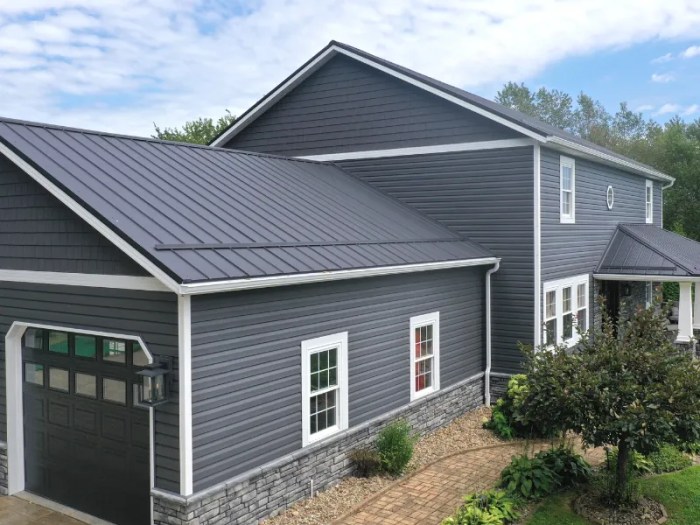
When it comes to installing siding on a roof, it is essential to follow a step-by-step process to ensure a proper and durable installation. Proper installation not only enhances the aesthetics of your home but also protects it from the elements.
Below is a detailed guide on how to install siding on a roof.
Gather Tools and Materials
Before starting the installation process, make sure you have all the necessary tools and materials. Here are some of the items you will need:
- Siding panels
- Nails or screws
- Hammer or screwdriver
- Tape measure
- Saw
- Level
- Safety goggles and gloves
- Caulk and caulk gun
Prepare the Roof Surface
Before installing the siding, ensure that the roof surface is clean and free of any debris. Remove any old siding or damaged materials to create a smooth surface for the new siding.
Install the Starter Strip
Begin by installing a starter strip along the bottom edge of the roof. This strip will serve as a guide for the rest of the siding panels. Make sure the starter strip is level and securely attached to the roof.
Attach the Siding Panels
Once the starter strip is in place, start attaching the siding panels from the bottom up. Use nails or screws to secure the panels to the roof, making sure to leave a small gap between each panel for expansion and contraction.
Finish the Edges
Trim the siding panels to fit around the edges of the roof using a saw. Secure the trimmed panels in place and caulk any gaps or seams to prevent water infiltration.
Inspect and Maintain
After the installation is complete, inspect the siding for any loose panels or damage. Regularly clean and maintain the siding to ensure its longevity and durability.By following these steps and tips, you can successfully install siding on your roof and enhance the overall look and protection of your home.
Benefits of Siding on Roofs
Siding on roofs offers a range of benefits that contribute to the overall functionality and durability of a roof.
Enhanced Protection
Siding provides an additional layer of protection to the roof, shielding it from harsh weather conditions such as rain, wind, snow, and UV rays
Improved Energy Efficiency
Siding helps in insulating the roof, reducing heat loss during the winter and heat gain during the summer. This can lead to lower energy bills and a more comfortable indoor environment.
Enhanced Curb Appeal
Siding comes in a variety of colors, textures, and styles, allowing homeowners to enhance the aesthetic appeal of their property. It can significantly improve the overall look of the house and increase its value.
Low Maintenance
Roof siding is relatively low maintenance compared to other roofing materials. It is resistant to rot, mold, and pests, reducing the need for frequent repairs and replacements.
Increased Weather Resistance
Siding acts as a barrier against moisture, preventing water from seeping into the roof structure and causing water damage. It also helps in preventing leaks and maintaining the integrity of the roof.
Overall Structural Integrity
By adding an extra layer of protection, insulation, and weather resistance, siding contributes to the overall structural integrity of the roof. It helps in maintaining the strength and stability of the roof over time.
Maintenance and Care for Roof Siding
Proper maintenance and care for roof siding are essential to ensure its longevity and functionality. By following a regular maintenance schedule and knowing how to clean and protect different types of roof siding, you can prevent common issues and keep your roof looking its best.
Maintenance Schedule for Roof Siding
- Inspect the roof siding at least twice a year, preferably in the spring and fall, to check for any damage or signs of wear.
- Clear debris such as leaves, branches, and dirt from the roof siding to prevent mold growth and water damage.
- Trim overhanging branches that could potentially damage the roof siding during storms or high winds.
- Check for any loose or missing siding panels and repair or replace them as needed to maintain the integrity of the roof.
Cleaning and Protecting Different Types of Roof Siding
Each type of roof siding requires specific cleaning and protection methods to ensure its durability and appearance:
- Vinyl Siding:Clean with a mixture of water and mild detergent using a soft brush or cloth. Avoid using harsh chemicals that could damage the vinyl. Apply a UV protectant to prevent fading.
- Wood Siding:Clean with a solution of water and mild soap, using a soft brush to scrub away dirt and grime. Apply a wood sealer or stain to protect the wood from moisture and sunlight.
- Fiber Cement Siding:Use a mixture of water and mild detergent to clean fiber cement siding. Avoid high-pressure washing, as it can damage the siding. Apply a coat of paint or sealant to protect the surface.
Common Issues with Roof Siding and How to Address Them
Some common issues that may arise with roof siding include:
- Mold and Mildew:Clean with a solution of water and bleach to remove mold and mildew. Ensure proper ventilation to prevent future growth.
- Cracks and Gaps:Seal cracks and gaps with caulk or sealant to prevent water infiltration and further damage to the siding.
- Peeling Paint:Scrape off old paint and apply a fresh coat to protect the siding from the elements and maintain its appearance.
Final Summary
In conclusion, siding on roof plays a pivotal role in not just enhancing the aesthetic appeal but also in ensuring the durability and longevity of a roof. By understanding the nuances of siding materials and installation, homeowners can make informed decisions to protect their roofs effectively.
Top FAQs
What are the common types of siding materials used on roofs?
Common siding materials include asphalt shingles, wood, metal, vinyl, and fiber cement. Each material comes with its own set of advantages and considerations for roof applications.
How often should roof siding be maintained?
Roof siding should ideally be inspected twice a year for any damage or wear. Regular cleaning and upkeep can help prolong the lifespan of the siding material.
What are some common issues with roof siding?
Common issues include cracks, warping, mold growth, and loose panels. Addressing these problems promptly can prevent further damage to the roof and ensure the integrity of the siding.