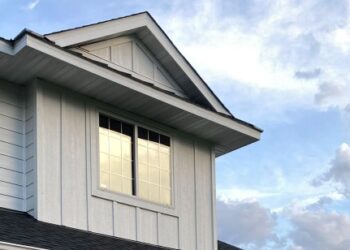

Embarking on the task of painting the siding on a house opens up a world of possibilities to transform the exterior appearance. From preparation to application techniques, this guide will walk you through everything you need to know for a successful painting project.
As we delve deeper into the nuances of painting house siding, you'll discover essential tips and tricks to achieve a flawless finish that enhances your home's curb appeal.
Preparation
Before painting the siding on a house, it is important to gather the necessary tools and materials to ensure the job is done efficiently and effectively. Preparing the surface before painting is crucial as it helps the paint adhere better and ensures a smoother finish.
Here are the steps involved in preparing the siding for painting:
Tools and Materials Needed:
- Pressure washer
- Scrub brush
- Exterior cleaner or detergent
- Primer
- Paintbrushes or rollers
- Paint sprayer (optional)
- Painter's tape
- Drop cloths
- Sandpaper
- Caulk and caulk gun
- Putty knife
- Protective gear (gloves, goggles, mask)
Importance of Preparing the Surface:
Preparing the siding before painting is essential as it helps in removing dirt, grime, and other contaminants that can affect the adhesion of the paint. It also allows for any repairs or maintenance to be done to the surface, ensuring a longer-lasting paint job.
Steps to Prepare the Siding:
- Clean the Surface:Use a pressure washer, scrub brush, and exterior cleaner to remove dirt, mold, and mildew from the siding.
- Repair any Damage:Inspect the siding for any cracks, holes, or damage. Use caulk to seal gaps and a putty knife to patch any holes.
- Sand and Smooth:Use sandpaper to smooth out any rough areas or peeling paint on the siding.
- Prime the Surface:Apply a coat of primer to ensure better adhesion and coverage of the paint.
- Protect Areas:Use painter's tape and drop cloths to protect windows, doors, and other areas from paint splatter.
- Apply Paint:Once the surface is prepared, you can start painting the siding with the chosen paint color using brushes, rollers, or a paint sprayer.
Choosing Paint
When it comes to painting house siding, choosing the right type of paint is crucial for a successful and long-lasting finish. Different types of paint offer various benefits and considerations, so it's essential to understand the options available.Oil-based paint and latex-based paint are the two primary choices for exterior surfaces like house siding.
Each type has its own advantages and considerations that can impact the outcome of your painting project.
Advantages of Oil-based Paint
- Excellent adhesion to surfaces
- Durable and resistant to wear and tear
- Provides a smoother finish
- Offers better protection against extreme weather conditions
Advantages of Latex-based Paint
- Easier to clean up with soap and water
- Dries faster than oil-based paint
- Resistant to fading and yellowing over time
- Less odor compared to oil-based paint
Selecting the Right Paint Color
Choosing the right paint color for your house siding can significantly impact the overall aesthetic of your home. Here are some tips to help you select the perfect color:
- Consider the architectural style of your home and the surrounding environment
- Test paint samples on a small area of the siding to see how they look in different lighting conditions
- Take into account the color of the roof, trim, and other exterior elements for a cohesive look
- Think about the desired mood or atmosphere you want to create with the paint color
Application Techniques
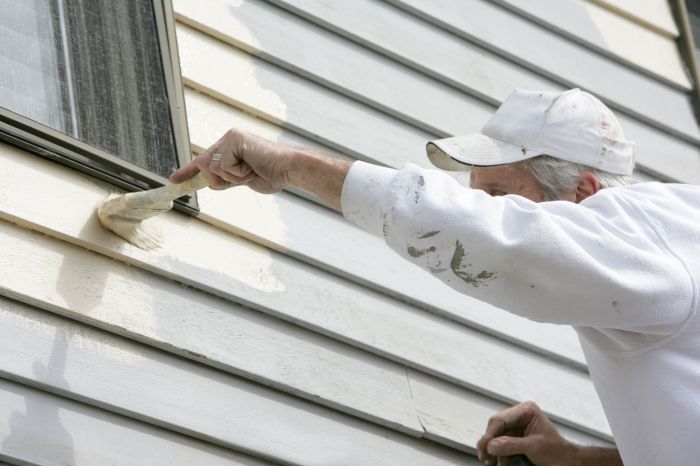
When it comes to painting vertical siding on a house, there are certain best practices to follow to ensure a smooth and professional finish. Using a paint sprayer can be an efficient way to cover large areas quickly, but it requires proper technique to avoid drips and overspray
Additionally, ensuring proper ventilation during the painting process is crucial for your health and the quality of the paint job.
Best Practices for Painting Vertical Siding
- Clean the siding thoroughly before painting to remove any dirt, dust, or debris that could affect the finish.
- Apply a primer specifically designed for exterior surfaces to ensure better adhesion of the paint.
- Use a high-quality paint suitable for outdoor use and choose a color that complements the style of your home.
- Start painting from the top and work your way down to avoid drips and streaks.
- Use a brush to cut in around edges and trim, then use a roller or sprayer to cover larger areas.
- Allow each coat to dry completely before applying the next one to prevent peeling or cracking.
Using a Paint Sprayer Effectively
- Adjust the nozzle of the paint sprayer to control the direction and flow of the paint.
- Hold the sprayer at a consistent distance from the surface to ensure even coverage.
- Maintain a steady hand and move in smooth, overlapping strokes to avoid uneven application.
- Practice on a test surface before starting on the siding to get a feel for the sprayer's settings.
- Clean the sprayer thoroughly after each use to prevent clogs and ensure longevity.
Importance of Proper Ventilation
Proper ventilation during the painting process is essential to protect your health and ensure the paint dries properly. Without adequate ventilation, you may be exposed to harmful fumes from the paint, which can cause dizziness, headaches, or other health issues.
Additionally, proper ventilation helps the paint cure faster and prevents the buildup of moisture, which can lead to mold or mildew growth on the freshly painted surface.
Maintenance and Care
Proper maintenance is essential to ensure the longevity of the painted siding on your house. By following some simple steps and regular care, you can keep your siding looking fresh and vibrant for years to come.
Regular Cleaning and Stain Removal
- Regularly clean your painted siding with a gentle detergent and water solution to remove dirt, dust, and grime.
- For tougher stains, consider using a mild bleach solution or a specialized siding cleaner, following the manufacturer's instructions.
- Do not use harsh chemicals or abrasive tools, as they can damage the paint and siding material.
- Rinse the siding thoroughly with clean water after cleaning to remove any remaining residue.
Repainting Frequency
Repainting the siding of your house is necessary every 5-10 years, depending on various factors such as the quality of the paint, exposure to elements, and general wear and tear. Here are some reasons why regular repainting is important:
- Protects the siding from weather damage, preventing rot, mold, and mildew growth.
- Restores the appearance of the siding, enhancing the curb appeal and overall value of your home.
- Helps maintain the structural integrity of the siding, preventing costly repairs in the future.
Summary
In conclusion, painting the siding on a house is not just a task but an opportunity to breathe new life into your home. With the right tools, techniques, and maintenance, you can enjoy a beautifully painted exterior that stands the test of time.
FAQ Resource
How often should I repaint my house siding?
Repainting your house siding is typically needed every 5-10 years, depending on the type of paint used and the climate in your area.
What are the best practices for cleaning painted siding?
Use a mild detergent and water solution with a soft brush to scrub away dirt and stains gently without damaging the paint.
Is ventilation important during the painting process?
Proper ventilation is crucial to ensure the fumes from the paint do not accumulate indoors, allowing for a healthier painting environment.