
Exploring the average cost to put new siding on a house sets the stage for this enthralling narrative. Readers will gain insight into the factors affecting pricing, cost comparison of various siding materials, additional costs to consider, and cost-saving strategies.
Get ready for a deep dive into the world of home siding with a blend of informative content and practical tips.
As we delve into the different aspects of siding costs, you'll discover key insights that will help you navigate the complexities of this essential home improvement project.
Factors Affecting Cost of New Siding
When considering the cost of installing new siding on a house, several factors come into play that can affect the overall price. Understanding these factors can help homeowners make informed decisions about their siding project.
Types of Siding Materials
Different types of siding materials are available in the market, each with its own price point. Common options include vinyl, wood, fiber cement, and metal siding. The material chosen can significantly impact the cost of the project.
Size of the House
The size of the house is a major determinant of the overall cost of new siding. Larger homes require more materials and labor to complete the installation, which can drive up the total expenses. Conversely, smaller homes may cost less to re-side.
Complexity of the Project
The complexity of the siding project also plays a role in pricing. Factors such as architectural details, multiple stories, and irregular shapes can increase the difficulty of installation, leading to higher costs.
Labor Costs
Labor costs are a significant component of the total cost of new siding. Skilled labor is required for proper installation, and labor rates can vary depending on location and the expertise of the workers. It's essential to factor in labor costs when budgeting for a siding project.
Cost Comparison of Various Siding Materials
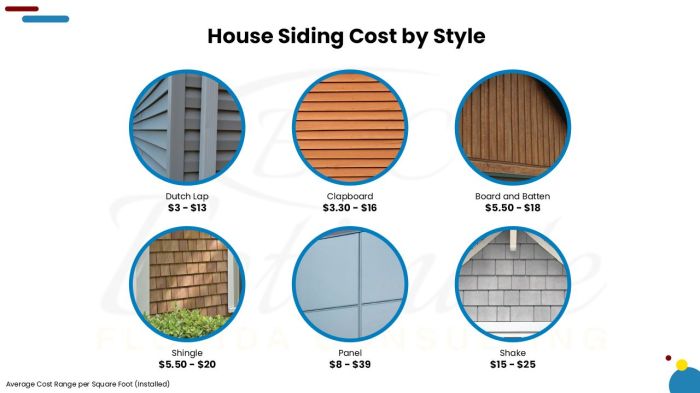
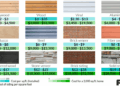
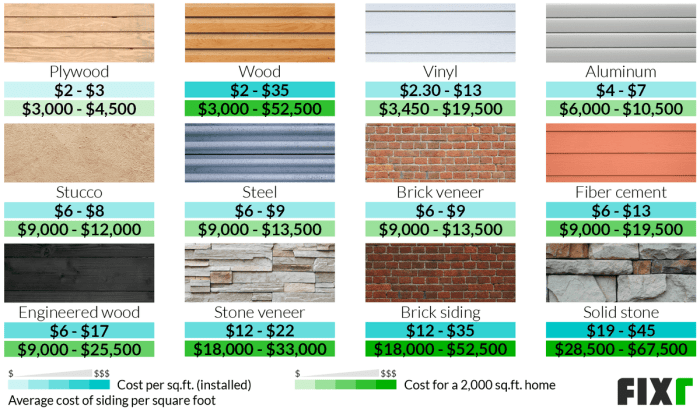
When considering the cost of new siding for your house, it is important to compare the prices of different materials to make an informed decision. Here is a breakdown of the average costs for popular siding materials like vinyl, fiber cement, wood, etc.
Vinyl Siding
Vinyl siding is one of the most affordable options, with an average cost of $2 to $7 per square foot. It is low-maintenance and durable, but may not be as long-lasting as other materials.
Fiber Cement Siding
Fiber cement siding is more expensive, averaging around $5 to $12 per square foot. However, it is extremely durable and requires minimal maintenance, making it a cost-effective choice in the long run.
Wood Siding
Wood siding can range from $6 to $15 per square foot, depending on the type of wood used. While it offers a natural and classic look, wood siding requires regular maintenance and may be more susceptible to damage.
Energy Efficiency and Long-Term Savings
When comparing siding materials, it is important to consider their energy efficiency. For example, fiber cement siding is known for its insulating properties, which can help reduce heating and cooling costs over time. While vinyl siding may be less energy-efficient, the initial cost savings may still be appealing to some homeowners.
Initial Investment vs. Lifespan
While vinyl siding may be cheaper upfront, it may need to be replaced sooner than fiber cement or wood siding. Considering the lifespan of each material can help you determine the true cost over time and make a more cost-effective choice for your home.
Additional Costs to Consider
When budgeting for new siding on your house, it's important to account for various additional costs that may arise. These costs can significantly impact the overall price and should not be overlooked.
Removal of Old Siding
Before installing new siding, the old siding must be removed. This can involve labor costs, disposal fees for the old materials, and any repairs needed to the underlying structure.
Permits and Regulations
Depending on your location, you may need to obtain permits for the installation of new siding. These permits can come with fees that need to be factored into your budget.
Quality Installation
Investing in quality installation is crucial as it can impact the longevity and performance of your siding. While it may come with a higher upfront cost, it can save you money in the long run by reducing the need for repairs or replacements.
Location and Regional Factors
The cost of new siding can vary based on your location and regional factors. Factors such as climate, availability of materials, and local labor costs can all influence pricing.
Budgeting for Unforeseen Expenses
It's essential to budget for unforeseen expenses when planning for new siding. Setting aside a contingency fund can help cover any unexpected costs that may arise during the installation process.
Cost-Saving Strategies
When it comes to putting new siding on your house, there are several strategies you can implement to lower costs without sacrificing quality. From exploring DIY options to taking advantage of rebates and incentives, there are ways to make the process more cost-effective in the long run.
DIY Options and Cost-Effectiveness
If you have some experience with home improvement projects and basic tools, tackling siding installation as a DIY project can significantly reduce labor costs. However, it's important to assess your skills and the complexity of the job before embarking on this endeavor.
Make sure to research and follow proper installation techniques to ensure a professional finish and long-lasting results.
Proper Maintenance for Long-Term Savings
One of the most effective cost-saving strategies for new siding is proper maintenance. By regularly cleaning, inspecting, and repairing your siding, you can prevent costly damages and premature replacements. Simple tasks like washing the siding, checking for signs of wear and tear, and addressing minor issues promptly can extend the lifespan of your siding and save you money in the long run.
Rebates, Incentives, and Financing Options
Many manufacturers, government agencies, and utility companies offer rebates, incentives, and financing options to promote energy-efficient siding installations. These programs can help offset the upfront costs of high-quality siding materials and professional installation services. Be sure to research available programs in your area and take advantage of any financial assistance that can make your siding project more affordable.
Closing Summary
In conclusion, understanding the average cost of putting new siding on a house is crucial for homeowners embarking on this renovation journey. By considering the factors influencing pricing, comparing material costs, accounting for additional expenses, and exploring cost-saving options, you can make informed decisions to enhance your home's exterior while staying within budget.
Dive into the world of siding costs armed with valuable knowledge and make your renovation dreams a reality.
Questions Often Asked
What are the most popular siding materials for homes?
Vinyl, fiber cement, and wood are among the top choices for siding materials due to their durability and versatility.
How does the size of a house affect the overall cost of new siding installation?
The larger the house, the more materials and labor are required, leading to higher overall costs for new siding installation.
Are there any rebates or financing options available to reduce siding installation costs?
Some manufacturers offer rebates, incentives, or financing options to help homeowners offset the cost of new siding installation. It's worth exploring these opportunities to save money.