
Embark on a journey to discover the top-notch options in roofing & siding, where quality meets aesthetics and durability. This introduction sets the stage for an insightful exploration into the world of best roofing & siding, offering valuable insights and practical advice along the way.
As we delve deeper into the nuances of roofing & siding materials, installation processes, maintenance requirements, and environmental impacts, you'll gain a comprehensive understanding of what sets the best apart from the rest.
Siding Options for Homes
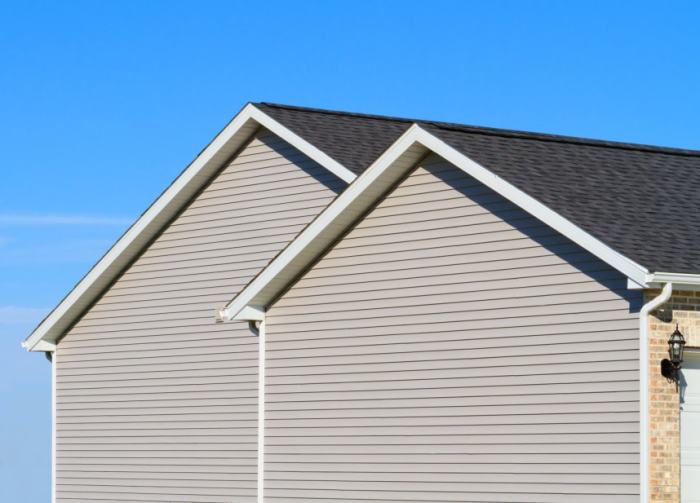
When it comes to choosing the right siding for your home, there are several options available, each with its own set of benefits and maintenance requirements. Let's explore some of the popular siding materials used in residential buildings.
Vinyl Siding
Vinyl siding is a durable and low-maintenance option for homeowners. It is resistant to rot, fading, and insect damage, making it a long-lasting choice. Additionally, vinyl siding comes in a variety of colors and styles to suit different architectural preferences.
Wood Siding
Wood siding provides a classic and natural look to a home. While it requires more maintenance compared to other materials, such as regular painting or staining, many homeowners appreciate the aesthetic appeal of wood siding. It is also environmentally friendly and can be easily repaired if damaged.
Fiber Cement Siding
Fiber cement siding is a versatile option that combines the look of wood with the durability of cement. This siding material is resistant to fire, insects, and rot, making it a low-maintenance choice for homeowners. Additionally, fiber cement siding is known for its energy efficiency, helping to regulate indoor temperatures and reduce energy costs.
Roofing & Siding Installation Process
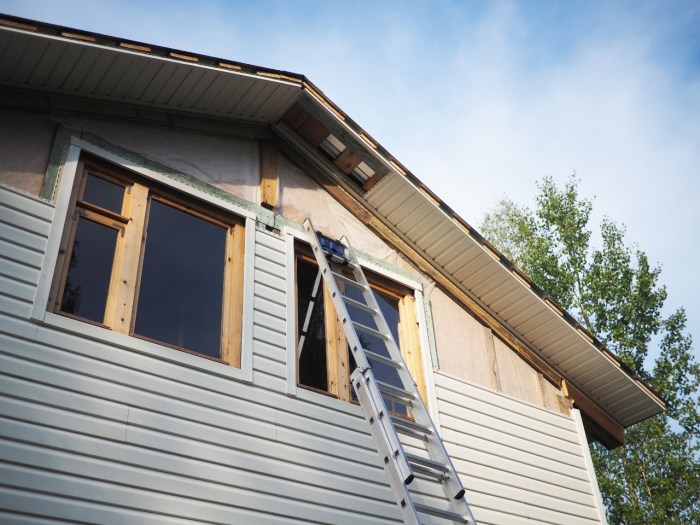
When it comes to installing roofing & siding, it is crucial to follow a step-by-step process to ensure a successful outcome. This process involves the expertise of professionals who play a vital role in completing the installation effectively.
Role of Professionals in Roofing & Siding Installation
Professionals in roofing & siding installation bring a wealth of experience and knowledge to the table. They are trained to handle various materials and understand the intricacies of the installation process, ensuring that the job is done correctly and efficiently.
Tips for Ensuring a Successful Roofing & Siding Installation
- Choose the right materials: Selecting high-quality roofing & siding materials is essential for durability and longevity.
- Hire a reputable contractor: Research and choose a reputable contractor with a proven track record for quality installations.
- Get a detailed contract: Ensure that all aspects of the installation, including materials, timeline, and costs, are clearly Artikeld in a detailed contract.
- Prepare your home: Clear the area around your home to provide easy access for the installation team and protect your landscaping.
- Communicate effectively: Stay in touch with the installation team and address any concerns or questions promptly to avoid misunderstandings.
Maintenance and Repairs
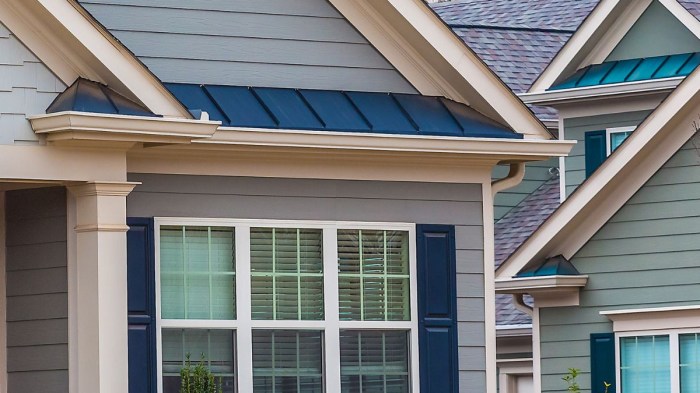
Regular maintenance for roofing & siding is crucial to ensure their longevity and performance. By conducting routine inspections and addressing any issues promptly, you can prevent costly repairs or replacements in the future
Common Issues with Roofing & Siding
- Leaking roofs: This can be caused by damaged shingles, flashing, or poor installation. Water leaks can lead to mold growth and structural damage.
- Cracked or warped siding: Exposure to harsh weather conditions can cause siding to crack or warp, compromising the protection of your home.
- Moss and algae growth: Moisture buildup on roofs and siding can create the perfect environment for moss and algae to thrive, affecting the appearance and integrity of the materials.
Addressing Minor Repairs
- Replace missing or damaged shingles: Securely attach new shingles to prevent water infiltration and further damage.
- Seal cracks or gaps in siding: Use caulking or sealant to fill in any cracks or gaps in siding to prevent moisture penetration.
- Clean moss and algae: Remove moss and algae buildup using a solution of water and bleach, being careful not to damage the roofing or siding materials.
Environmental Impact of Roofing & Siding
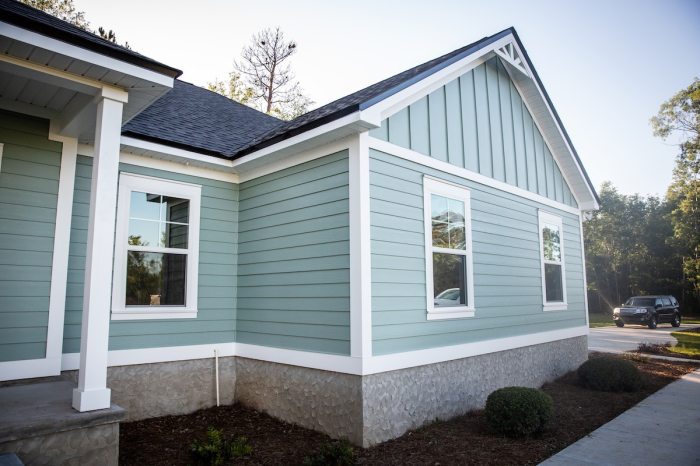
When considering roofing and siding materials for your home, it is essential to understand the environmental impact of your choices. From the production process to the long-term sustainability of the materials, various factors play a role in determining how eco-friendly your roofing and siding options are.
Comparing Eco-Friendliness of Different Materials
- Asphalt shingles: While asphalt shingles are widely used due to their affordability, they are not the most eco-friendly option. The production process involves the use of fossil fuels, and they have a shorter lifespan compared to other materials.
- Metal roofing: Metal roofing is highly durable and recyclable, making it a more sustainable choice. It can be made from recycled materials and has a longer lifespan, reducing the environmental impact over time.
- Wood siding: Wood siding provides a natural and rustic look to homes, but it requires maintenance and is susceptible to rot and pests. Opting for sustainably sourced wood or alternative materials can help reduce the environmental impact.
- Vinyl siding: Vinyl siding is a popular choice due to its low maintenance and affordability. However, it is not biodegradable and can release harmful chemicals during production and disposal.
Making Roofing & Siding More Sustainable
- Choose materials with high recycled content: Opting for roofing and siding materials made from recycled content can help reduce the demand for new resources and lower the environmental impact.
- Consider energy-efficient options: Installing energy-efficient roofing materials can help reduce heating and cooling costs, lowering your home's overall energy consumption and environmental footprint.
- Proper installation and maintenance: Ensuring proper installation and regular maintenance of your roofing and siding can extend their lifespan, reducing the need for frequent replacements and minimizing waste.
Ending Remarks
In conclusion, the realm of best roofing & siding is vast and multifaceted, offering a blend of functionality, beauty, and sustainability. By prioritizing quality, maintenance, and eco-friendliness, you can ensure your roofing & siding stand the test of time while enhancing the overall appeal of your property.
Essential FAQs
What are the key factors to consider when choosing the best roofing material?
Factors such as durability, cost, and aesthetics play a crucial role in selecting the best roofing material for your needs.
How often should I conduct maintenance on my siding?
Regular maintenance for siding is recommended at least once a year to address any issues promptly and ensure longevity.
Are there eco-friendly options available for roofing materials?
Yes, there are environmentally sustainable roofing materials like metal and solar tiles that offer eco-friendly alternatives.