
Colonial siding, with its rich historical significance, defines the charm and character of traditional American homes. From clapboard to shingles, each material tells a unique story of craftsmanship and architectural heritage. Let's delve into the world of colonial siding to uncover its secrets and timeless appeal.
As we journey through the different types, installation process, design trends, and more, you'll gain a deeper understanding of how colonial siding has shaped the landscapes of our neighborhoods and stood the test of time.
Introduction to Colonial Siding
Colonial siding refers to the traditional exterior cladding used in colonial-style homes, which were built during the colonial period in America. It holds historical significance as it reflects the architectural style and building practices of that era.
Common Materials Used in Colonial Siding
Colonial siding was typically made from natural materials such as wood, specifically clapboard or shingles. These materials were readily available and provided a classic look to colonial homes.
- Clapboard: Thin, overlapping wooden boards that create a charming, rustic appearance.
- Shingles: Wooden or cedar shingles were commonly used for siding, adding texture and character to the exterior of colonial houses.
- Brick: In some regions, brick was also used for siding, especially in areas with clay deposits conducive to brick-making.
Architectural Styles Associated with Colonial Siding
Colonial siding is most often associated with traditional architectural styles such as:
- Cape Cod: Known for its symmetrical design and steep roof, often featuring clapboard siding.
- Georgian: Characterized by symmetry, formal design elements, and brick or clapboard siding.
- Federal: Featuring intricate details, columns, and often clapboard or brick siding.
Types of Colonial Siding
When it comes to colonial siding, there are several types to choose from, each with its own unique characteristics and benefits. Let's explore some of the most popular options:
Clapboard Siding
Clapboard siding, also known as bevel or lap siding, is a traditional choice for colonial homes. It consists of long, narrow boards that overlap each other horizontally to create a charming and classic look.
- Pros:Clapboard siding is easy to install, offers good insulation, and can be painted or stained in various colors.
- Cons:It may require more maintenance than other types of siding, as it can be prone to rot and insect damage.
Shingle Siding
Shingle siding, also known as shake siding, is another popular option for colonial-style homes. It consists of individual wooden shingles that are installed vertically to create a rustic and textured appearance.
- Pros:Shingle siding is durable, resistant to rot and insects, and can give a home a cozy and inviting look.
- Cons:It can be more expensive than other types of siding, and installation can be more labor-intensive.
Board and Batten Siding
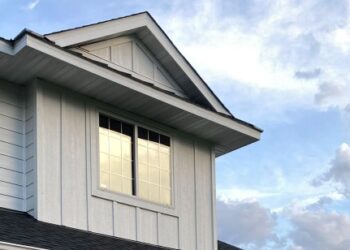
Board and batten siding is a simple yet stylish option for colonial homes. It features wide vertical boards with narrow strips called battens covering the seams between the boards.
- Pros:Board and batten siding is low maintenance, offers good insulation, and can give a home a modern or rustic look depending on the style.
- Cons:It may not be as weather-resistant as other types of siding, and the seams between boards can potentially allow moisture to seep in.
Installation Process
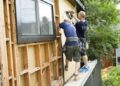
When it comes to installing colonial siding, following a step-by-step process is essential for a successful outcome. Proper preparation of the exterior surface, as well as having the right tools and equipment, will make the installation process smoother and more efficient.
Preparing the Exterior Surface
Before installing colonial siding, it is crucial to prepare the exterior surface properly. This includes cleaning the surface thoroughly to remove any dirt, debris, or peeling paint. Make sure to repair any visible damage such as cracks or holes, and ensure that the surface is smooth and even.
Applying a weather-resistant barrier can also help protect the siding and improve its longevity.
Tools and Equipment Needed
To ensure a successful colonial siding installation, you will need a variety of tools and equipment. Some of the essential items include:
- Hammer or nail gun for securing the siding
- Tape measure for accurate measurements
- Circular saw or miter saw for cutting the siding
- Level to ensure the siding is installed straight
- Caulk gun for sealing gaps and joints
- Ladder or scaffolding for reaching higher areas
Having these tools on hand will make the installation process much easier and efficient.
Colonial Siding Design Trends
When it comes to modern design trends incorporating colonial siding, homeowners are increasingly looking for a blend of traditional charm with contemporary aesthetics. This fusion results in unique exteriors that stand out while maintaining a classic appeal.
Color Palettes and Finishes
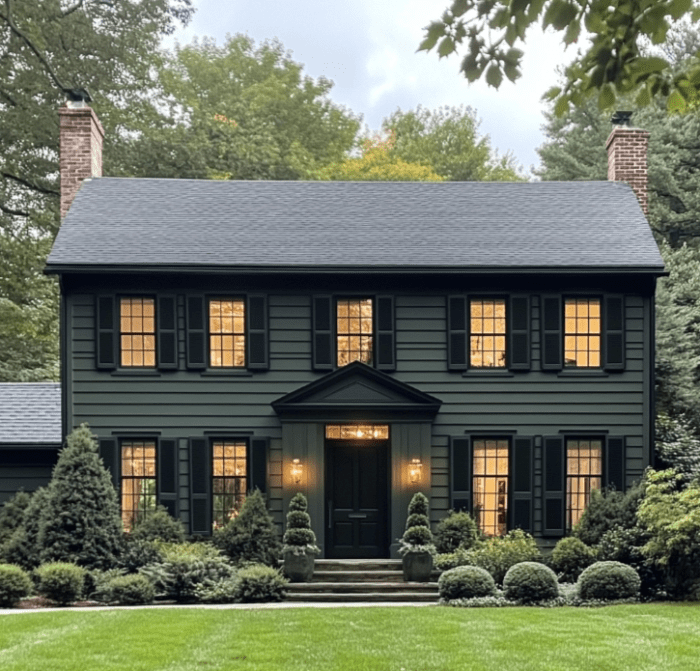
Contemporary colonial siding designs often feature a mix of neutral tones and bold colors. While white and off-white shades remain popular for a timeless look, darker hues such as navy blue and charcoal grey are gaining traction for a more modern feel.
Additionally, matte and satin finishes are commonly used to add depth and sophistication to the overall design.
Combining Colonial Siding with Other Elements
One innovative way to combine colonial siding with other exterior design elements is by incorporating contrasting materials such as stone or brick accents. This creates visual interest and adds texture to the facade. Another trend is to mix and match siding styles, such as vertical and horizontal panels, for a dynamic look.
Additionally, integrating modern fixtures and landscaping elements can further enhance the overall curb appeal of a home.
Conclusion
In conclusion, colonial siding remains a timeless choice for homeowners looking to capture the essence of classic American architecture. With its versatility, durability, and aesthetic appeal, colonial siding continues to be a beloved option for those seeking to infuse their homes with tradition and elegance.
Dive into the world of colonial siding and embark on a journey of timeless beauty and architectural heritage.
Detailed FAQs
What are the common materials used in colonial siding?
Common materials used in colonial siding include wood clapboard, cedar shingles, and board and batten.
What are the pros and cons of clapboard siding?
Clapboard siding offers a classic look but requires regular maintenance to prevent rot and insect damage.
How do I prepare the exterior surface before installing colonial siding?
Before installation, ensure the surface is clean, dry, and free of any debris or existing siding.
What tools are needed for a successful colonial siding installation?
Tools needed may include a nail gun, circular saw, tape measure, level, and safety equipment.
What are some modern design trends incorporating colonial siding?
Modern trends include mixing contrasting colors, experimenting with different textures, and adding contemporary elements to traditional siding.