
Transforming the look and feel of your home starts with new siding on house. From boosting energy efficiency to increasing property value, the benefits are endless. This comprehensive guide delves into the various types of siding materials, the installation process, design tips, and more, to help you make informed decisions for your home improvement project.
Importance of New Siding Installation
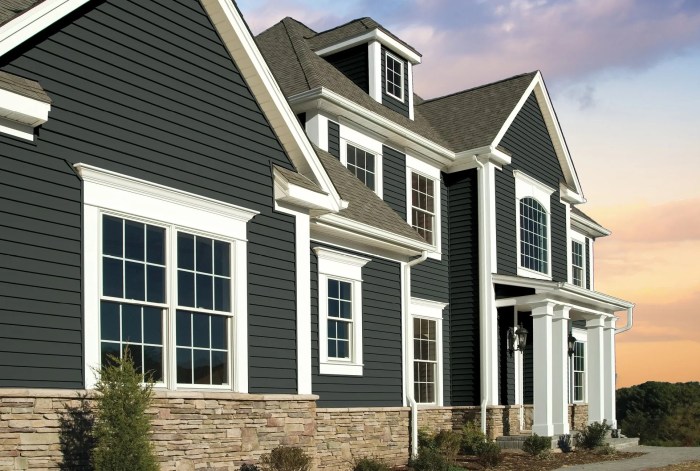
Installing new siding on a house offers a wide range of benefits that go beyond just improving the appearance of the property. Let's delve into some of the key reasons why investing in new siding is a smart decision.
Enhanced Energy Efficiency
One of the significant advantages of new siding installation is the improvement in energy efficiency it brings to a home. Modern siding materials are designed to provide better insulation, helping to regulate indoor temperatures more effectively. This results in reduced energy consumption for heating and cooling, leading to lower utility bills in the long run.
Improved Aesthetic Appeal
New siding can completely transform the look of a house, enhancing its curb appeal and giving it a fresh, updated appearance. With a wide variety of colors, textures, and styles available, homeowners can choose siding options that complement their architectural style and personal taste.
Whether opting for a classic vinyl siding or a more modern fiber cement option, new siding can significantly boost the overall aesthetics of a home.
Impact on Property Value
Beyond aesthetics and energy efficiency, new siding installation can also have a positive impact on the property value. A well-maintained exterior with new siding can increase the resale value of a home, making it more attractive to potential buyers. Additionally, new siding can help protect the structure of the house from weather damage and wear, ensuring the longevity and durability of the property.
Types of Siding Materials
Vinyl, wood, fiber cement, and metal are some of the common siding materials used for homes. Each material has its own set of characteristics that make it suitable for different needs and preferences.
Vinyl Siding
Vinyl siding is a popular choice due to its durability, low maintenance, and affordability. It is resistant to rot, insects, and fading, making it a long-lasting option for homeowners. Vinyl siding is available in a wide range of colors and styles to suit various architectural designs.
Wood Siding
Wood siding offers a natural and classic look to homes. While it provides great aesthetic appeal, wood siding requires more maintenance compared to other materials. Regular painting, staining, and sealing are necessary to protect the wood from moisture and pests.
However, with proper care, wood siding can last for many years.
Fiber Cement Siding
Fiber cement siding is known for its durability and resistance to fire, insects, and rot. It is a low-maintenance option that can mimic the look of wood or stucco. Fiber cement siding is available in various textures and colors, providing homeowners with versatility in design choices.
Metal Siding
Metal siding, such as steel or aluminum, is highly durable and resistant to extreme weather conditions. It requires minimal maintenance and is known for its longevity. Metal siding is available in different finishes and can be painted to achieve a custom look.
While metal siding may have a higher upfront cost, its durability and low maintenance requirements make it a cost-effective option in the long run.
Siding Installation Process
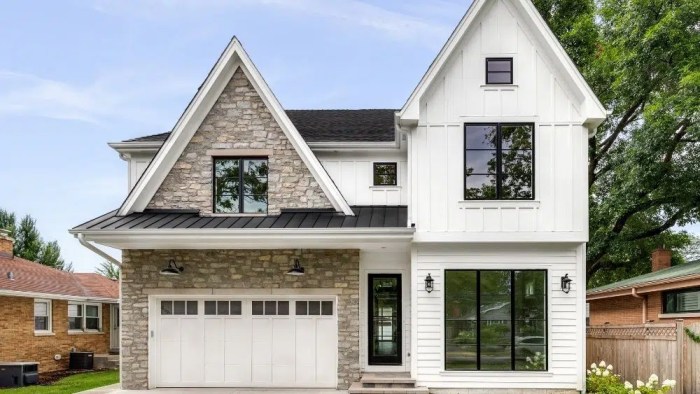
Installing new siding on a house involves several steps to ensure a successful and durable outcome. From preparing the exterior of the house to tackling common challenges during the installation process, here is a breakdown of what to expect when installing new siding.
Preparing the Exterior of the House
Before starting the siding installation process, it is crucial to prepare the exterior of the house properly. This includes:
- Cleaning the walls to remove any dirt, debris, or loose paint.
- Repairing any damaged areas such as cracks or holes in the wall.
- Ensuring proper insulation to improve energy efficiency.
Tools and Equipment Required
To successfully install new siding, you will need the following tools and equipment:
- Siding nail gun for secure attachment.
- Tape measure for accurate cutting and sizing.
- Utility knife for precise trimming.
- Ladder or scaffolding for reaching high areas.
Common Challenges and How to Overcome Them
While installing siding, you may encounter challenges such as:
- Uneven walls or surfaces.
- Weather conditions affecting installation.
- Matching existing siding with new materials.
Tip: To overcome these challenges, ensure proper wall preparation, work in favorable weather conditions, and consult with a professional if needed.
Siding Design and Color Selection
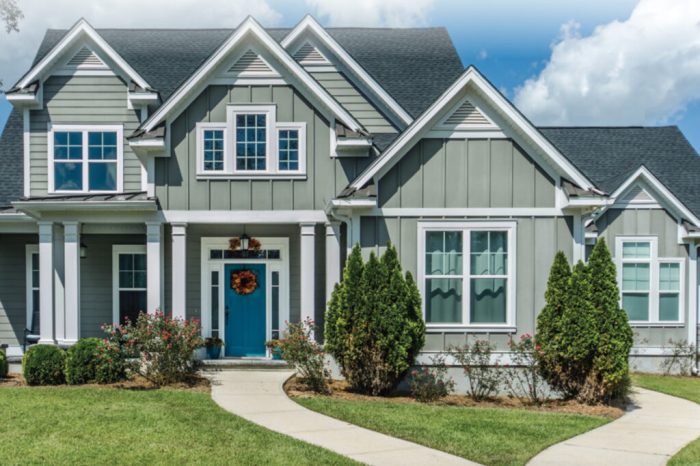
When it comes to enhancing the curb appeal of your home, choosing the right siding design and color is crucial. Your siding plays a significant role in the overall aesthetics of your house, so it's essential to make informed decisions.
Let's delve into popular siding design trends and tips for selecting the perfect color to complement your home's architecture.
Popular Siding Design Trends
- Vertical Siding: This modern trend adds a unique touch to your home's exterior, creating a sleek and contemporary look.
- Mixed Materials: Combining different siding materials such as wood, vinyl, or fiber cement can add depth and visual interest to your home.
- Bold Colors: Opting for bold and vibrant siding colors can make a statement and set your home apart from the rest of the neighborhood.
Choosing the Right Siding Color
- Consider the Architectural Style: Take into account the architectural style of your home when selecting a siding color to ensure a harmonious look.
- Sample Testing: Always test out a few color samples on your house to see how they look in different lighting conditions before making a final decision.
- Complementing Features: Choose a siding color that complements the roof, trim, and other exterior features of your home for a cohesive appearance.
Impact of Siding Styles
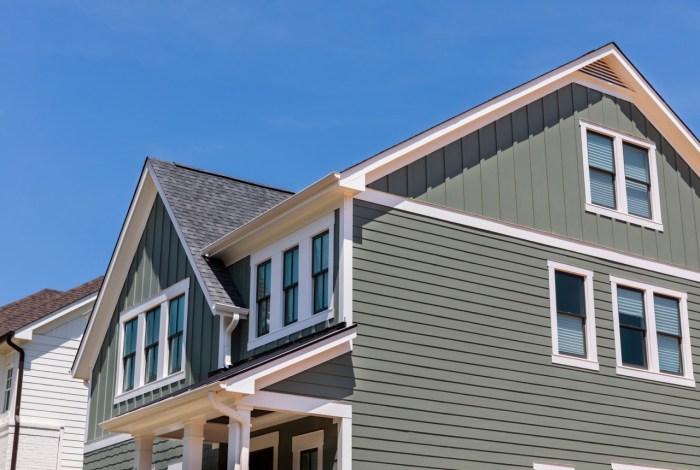
- Horizontal vs. Vertical Siding: Horizontal siding can make your home appear wider, while vertical siding can create the illusion of height.
- Texture and Color Contrast: Mixing textures or colors within your siding design can add visual interest and create a dynamic look for your home.
Ending Remarks
In conclusion, new siding on house is a smart investment that not only enhances the aesthetics of your home but also adds value and improves energy efficiency. With the right material, color, and design choices, you can create a stunning exterior that stands the test of time.
Take the first step towards a beautiful home today!
Questions Often Asked
What are the benefits of installing new siding on a house?
Installing new siding can improve energy efficiency, enhance aesthetic appeal, and increase property value.
What are the common types of siding materials available for homes?
Common siding materials include vinyl, wood, fiber cement, and metal, each with varying durability and maintenance requirements.
What steps are involved in the siding installation process?
The siding installation process includes preparing the exterior, using the right tools and equipment, and overcoming common challenges.
How can I choose the right siding color for my home?
Consider the house's architecture and popular design trends when selecting a siding color that complements your home.
Are there tips for creating a unique siding design?
Experiment with contrasting colors and textures to create a unique and visually appealing siding design.