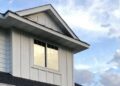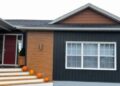

Vinyl house exterior is a versatile and durable option for homeowners looking to enhance the aesthetics and functionality of their property. From its easy maintenance to a wide range of design options, vinyl siding offers a practical solution for modern homes.
Let's delve into the world of vinyl house exteriors and uncover the key aspects that make it a popular choice among homeowners.
As we navigate through the intricacies of vinyl house exteriors, we will explore the installation process, maintenance requirements, design options, and more. Get ready to discover all you need to know about transforming your house exterior with vinyl siding.
Introduction to Vinyl House Exterior
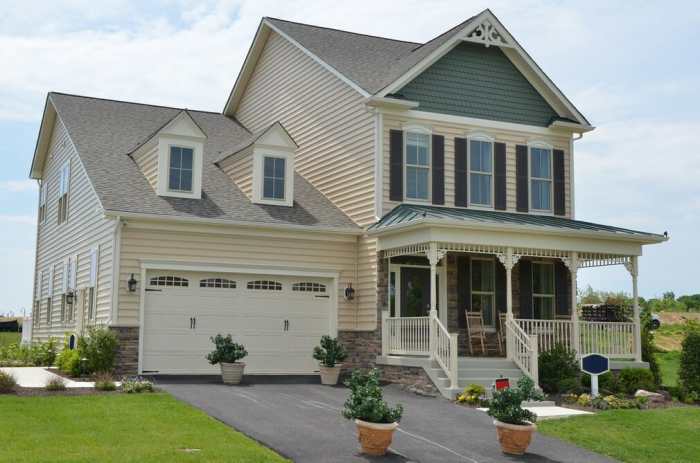
Vinyl house exterior refers to the use of vinyl material to cover and protect the exterior of a house. It has become a popular choice for homeowners due to its various benefits.
Benefits of Using Vinyl for House Exteriors
- Low Maintenance: Vinyl house exteriors are easy to clean and require minimal maintenance compared to other materials.
- Durability: Vinyl is known for its longevity and ability to withstand harsh weather conditions, making it a durable option for house exteriors.
- Cost-effective: Vinyl is a cost-effective material, both in terms of installation and long-term maintenance, making it a budget-friendly choice for homeowners.
Durability and Maintenance of Vinyl House Exteriors
Vinyl house exteriors are resistant to rot, mold, and insects, making them a long-lasting option for homeowners. Routine cleaning with soap and water is usually sufficient to maintain the appearance of vinyl siding.
Popular Vinyl House Exterior Styles
- Traditional Lap Siding: Mimicking the look of wood, traditional lap siding is a popular choice for a classic and timeless appearance.
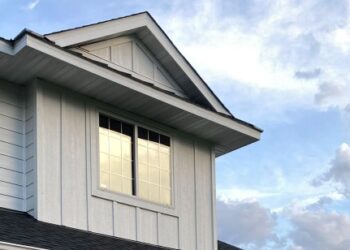
- Board and Batten: This style features alternating wide boards and narrow strips, creating a rustic and charming look for the exterior of a house.
- Shake Siding: Shake siding replicates the look of cedar shakes, providing a textured and natural aesthetic to the house exterior.
Installation of Vinyl Siding
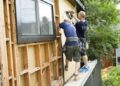
Installing vinyl siding on a house exterior is a great way to enhance its appearance and durability. It involves a series of steps that require attention to detail and the right tools and materials for a successful installation.
Process of Installing Vinyl Siding
- Prepare the surface: Ensure the exterior of the house is clean, smooth, and free of any debris or loose paint.
- Measure and cut: Measure the dimensions of the walls accurately and cut the vinyl siding panels accordingly.
- Start from the bottom: Begin installing the siding from the bottom of the wall and work your way up, overlapping each panel to create a seamless look.
- Secure the panels: Use nails or screws to secure the siding panels to the wall, making sure they are properly aligned and leveled.
- Finish with trim: Complete the installation by adding trim pieces around windows, doors, and corners for a polished look.
Tools and Materials Required
- Vinyl siding panels
- Nails or screws
- Hammer or screwdriver
- Tape measure
- Utility knife
- J-channel and corner pieces
Importance of Proper Insulation and Weatherproofing
Proper insulation and weatherproofing are essential when installing vinyl siding to ensure energy efficiency and protection against the elements. Insulating materials help regulate indoor temperatures and prevent moisture buildup, while weatherproofing barriers shield the house from rain, wind, and other weather conditions.
Tips for a Professional Finish
- Take your time: Precision and attention to detail are key to achieving a professional finish.
- Follow manufacturer's instructions: Always refer to the manufacturer's guidelines for the correct installation process.
- Use a level: Ensure the siding panels are installed straight and level to maintain a uniform appearance.
- Seal gaps: Seal any gaps or joints with caulk to prevent water infiltration and maintain the integrity of the siding.
Maintenance and Cleaning of Vinyl House Exterior
Proper maintenance and regular cleaning are essential to keep your vinyl house exterior looking great and in good condition. Here is a guide on how to effectively clean and maintain vinyl siding:
Cleaning Vinyl Siding
- Start by rinsing the siding with a garden hose to remove loose debris.
- Mix a solution of water and mild soap or a specialized vinyl siding cleaner in a bucket.
- Using a soft-bristled brush or a cloth, scrub the siding with the cleaning solution from bottom to top.
- Rinse the siding thoroughly with clean water from top to bottom to prevent streaking.
- For tough stains, you can use a mixture of water and white vinegar or a commercial mildew remover.
Maintenance Tasks
- Regularly inspect the siding for any signs of damage, such as cracks, chips, or warping.
- Trim overhanging trees or bushes to prevent them from rubbing against the siding.
- Check for any gaps or loose panels and secure or replace them as needed.
- Keep gutters clean to prevent water from overflowing and causing damage to the siding.
Preventing Mold and Mildew Growth
- Ensure proper ventilation around the house to prevent moisture buildup.
- Clean the siding regularly to remove dirt and debris that can promote mold growth.
- Trim vegetation near the house to allow for better airflow and sunlight exposure.
- Consider installing a dehumidifier in damp areas of the house to control humidity levels.
Repairing or Replacing Damaged Siding
- To repair small cracks or chips, use a vinyl siding repair kit or sealant recommended by the manufacturer.
- If a panel is damaged beyond repair, carefully remove it by unlocking the neighboring panels and sliding it out.
- Install a new panel by sliding it into place and locking it with the adjacent panels.
- Make sure to match the color and style of the existing siding for a seamless repair.
Design and Color Options for Vinyl House Exteriors
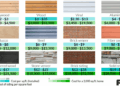
When it comes to designing your vinyl house exterior, there are various options to choose from to enhance the overall look of your home. From different design styles to a wide array of colors and textures, vinyl siding offers versatility and customization to suit your preferences.
Exploring Design Options
- Traditional: Classic lap siding design that mimics the look of wood.
- Board and Batten: Vertical panels with alternating wide and narrow sections for a rustic charm.
- Shake and Shingle: Textured panels that give the appearance of cedar shakes or shingles.
Variety of Colors and Textures
- Vibrant Colors: Choose from a spectrum of colors to match your home's aesthetic.
- Wood Grain Textures: Mimic the natural look of wood without the maintenance.
- Smooth Finishes: Clean and modern options for a sleek appearance.
Tips for Choosing the Right Color and Design
- Consider the architectural style of your home for a cohesive look.
- Take into account the surrounding landscape and climate for color selection.
- Opt for neutral tones for a timeless appeal or bold colors for a statement look.
Coordinating Vinyl Siding Colors
- Match siding color with the roof, trim, and other exterior elements for a harmonious blend.
- Contrast colors for visual interest, such as pairing light siding with dark trim.
- Use color samples and visualize the options on your home before making a final decision.
Closing Notes
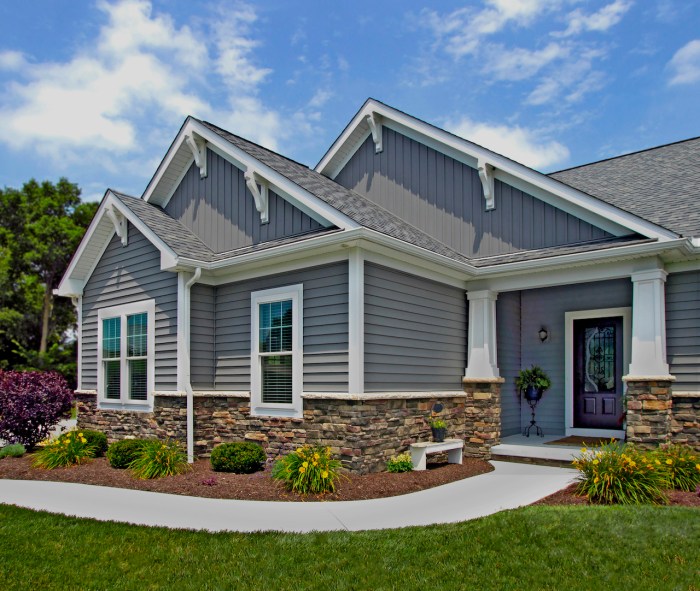
In conclusion, vinyl house exteriors provide a cost-effective and visually appealing solution for homeowners seeking durability and style. With a plethora of benefits and design choices, vinyl siding continues to be a top contender in the realm of house exteriors.
Whether you're looking to revamp your home's appearance or boost its resale value, vinyl house exteriors offer a compelling option worth considering.
Frequently Asked Questions
How often should I clean my vinyl siding?
It is recommended to clean your vinyl siding at least once a year to maintain its appearance and prevent dirt buildup.
Can I paint my vinyl siding a different color?
While it is possible to paint vinyl siding, it is important to use the correct type of paint and follow proper preparation techniques for a successful outcome.
What is the average lifespan of vinyl house exteriors?
With proper maintenance, vinyl house exteriors can last anywhere from 20 to 40 years, depending on the quality of the material and installation.